Qfylnar
Exploration of Herbal Traditions and Wellness Practices
Understanding Wellness Through Tradition
This educational resource provides information about herbal traditions and wellness practices found across various cultures. Our goal is to explore how different communities have incorporated natural plants and practices into their everyday wellness routines.
The content presented here is for informational purposes to help understand traditional approaches to health and wellness. Different individuals may have different experiences, and wellness is a complex subject influenced by many factors.
Nutrition and Daily Routines

The Role of Nutrition in Everyday Wellness
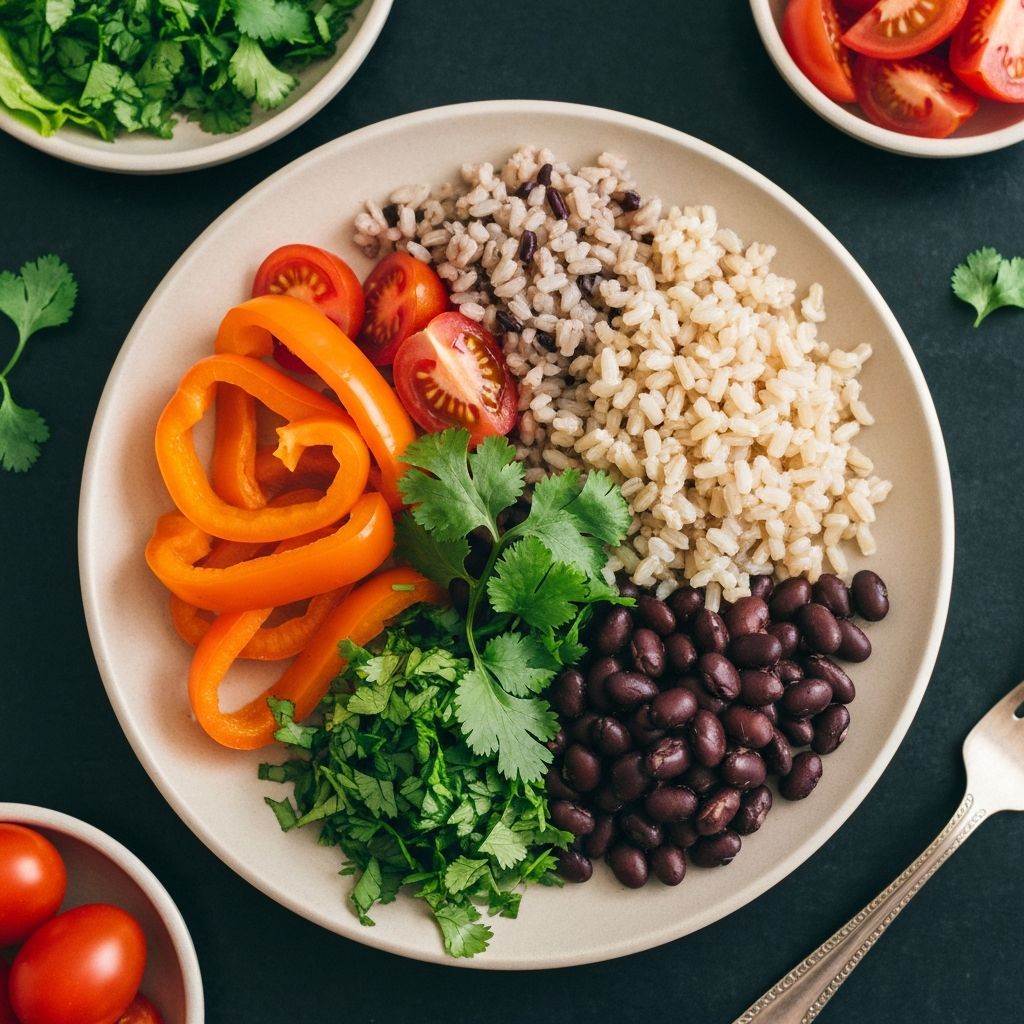
Nutrition plays a central role in how we feel and function daily. Throughout history, different cultures have developed approaches to balanced eating based on their local ingredients and environments.
Common Nutrition Elements
- Fresh vegetables and seasonal produce
- Whole grains and legumes
- Natural herbs and seasonings
- Balanced meal composition
- Regular eating patterns
Life Stages and Wellness Approaches
How Wellness Changes Throughout Life
Different life periods bring different wellness considerations. From childhood through adulthood and aging, the body's needs and the way we approach wellness naturally evolve.
| Life Stage | General Considerations |
|---|---|
| Childhood & Youth | Growth, energy, foundational habits |
| Adulthood | Maintenance, balance, consistency |
| Middle Years | Adaptation, sustained energy, adaptation |
| Later Years | Gentle practices, flexibility, comfort |

Common Botanical Elements
Throughout history, various plants have been used in traditional wellness practices. Here are some commonly referenced botanicals found in heritage traditions:
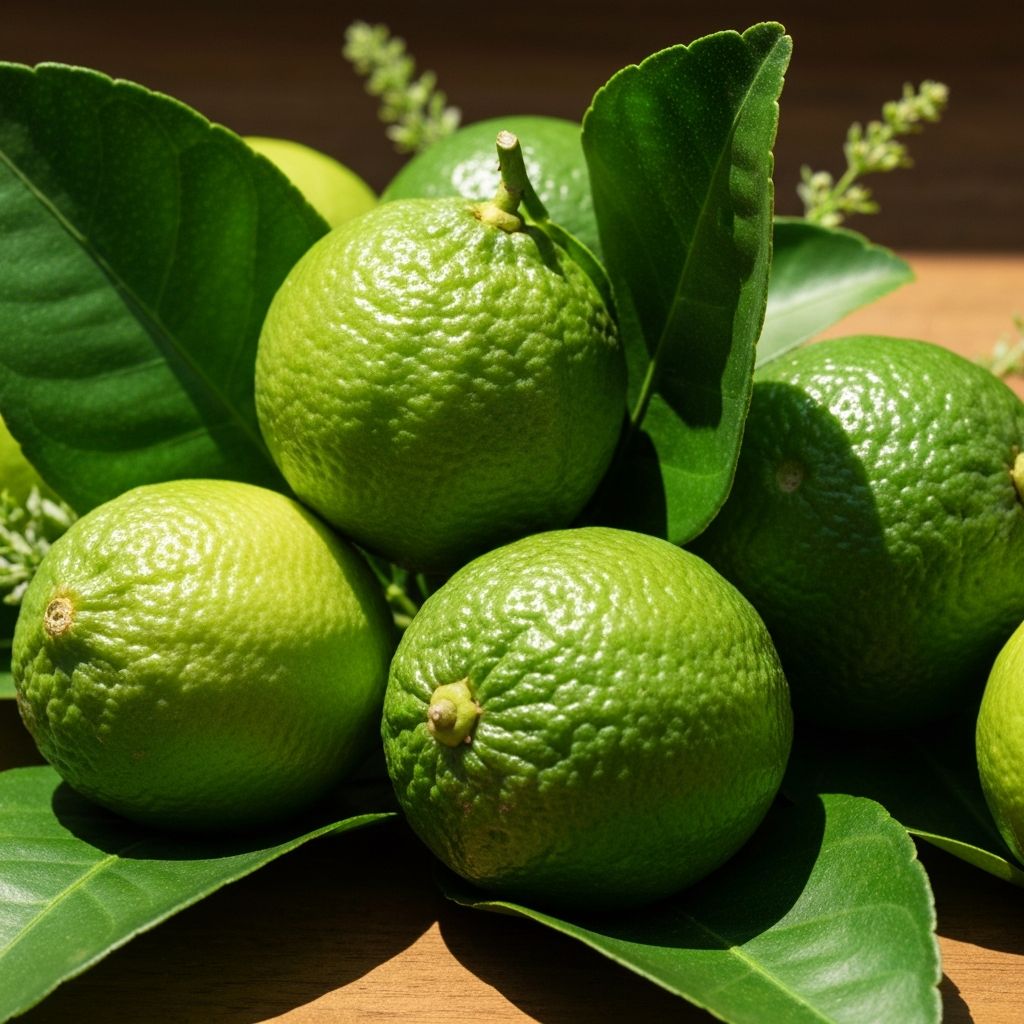
Lime
A citrus fruit commonly found in traditional preparations, often used in culinary applications across many cultures.
Traditional Applications:
- Culinary ingredient
- Beverage preparation
- Flavor enhancement
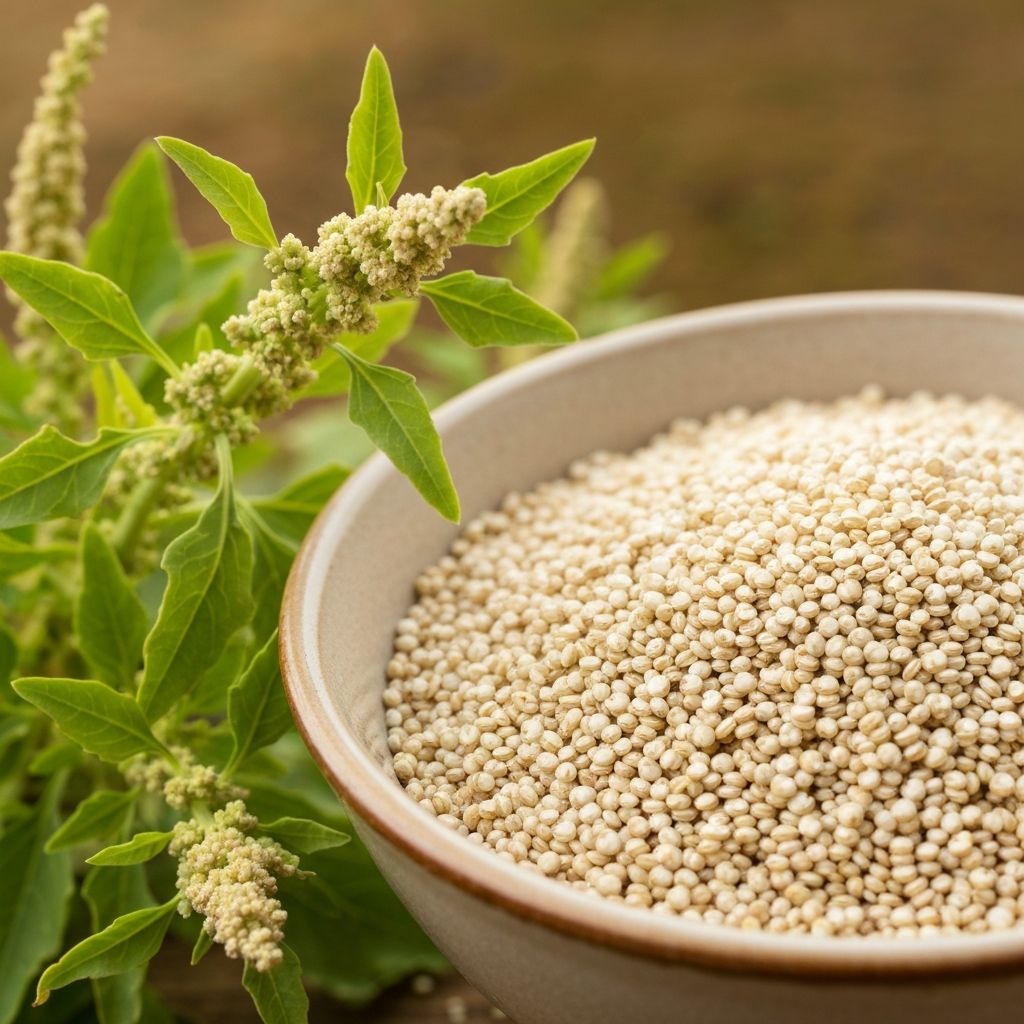
Quinoa
An ancient grain from the Andean region, valued for its nutritional properties and culinary versatility.
Traditional Applications:
- Grain staple
- Nutritious meal base
- Protein source
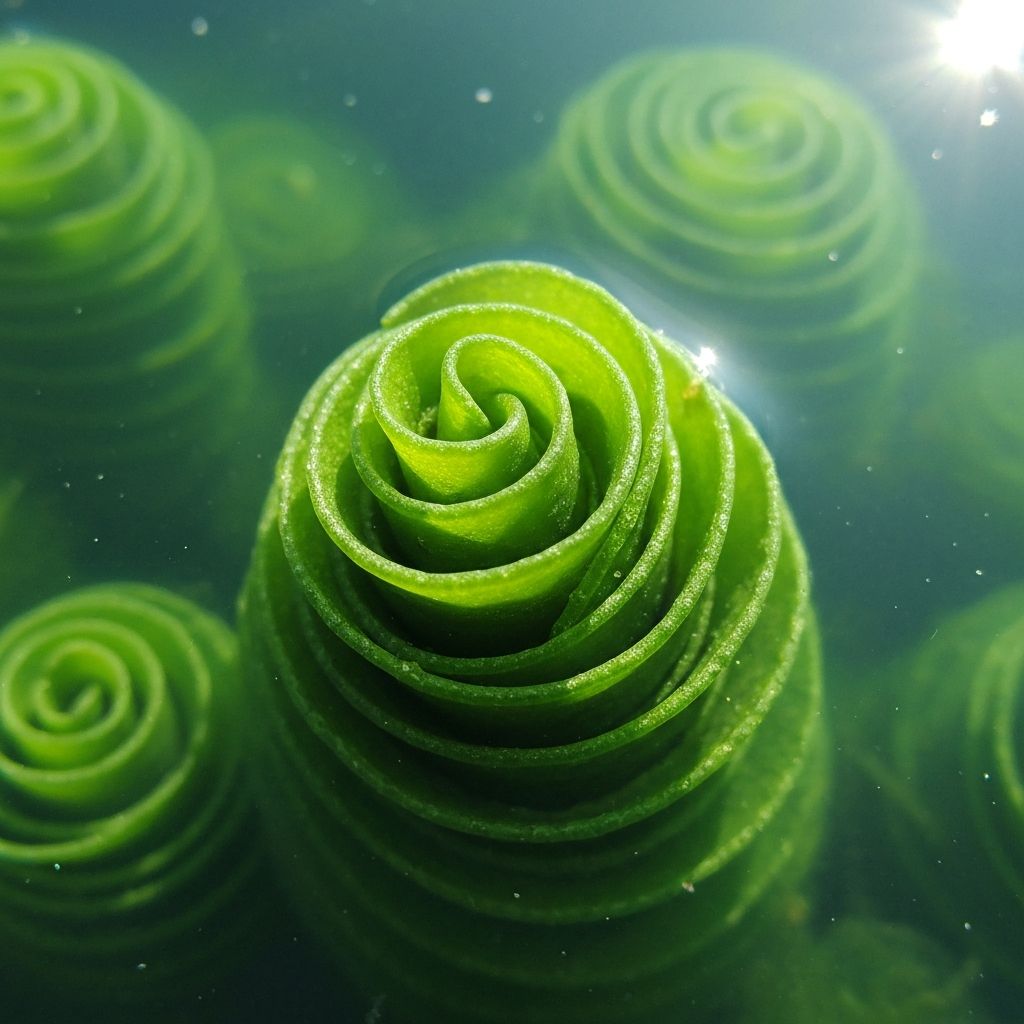
Spirulina
A microalgae that has been used in various traditions and modern wellness applications for its nutrient density.
Traditional Applications:
- Nutritional supplement
- Nutrient source
- Culinary ingredient
Daily Practices and Gentle Activities

Simple Wellness Routines
Many traditional approaches to wellness emphasize gentle, consistent daily practices rather than extreme measures. These might include:
- Regular gentle movement and walking
- Consistent sleep and rest patterns
- Time in natural environments
- Stress reduction practices
- Mindful eating habits
- Social connection and community
- Regular hydration
Nutritional Perspectives and Balance
Nutritional experts emphasize balanced approaches to wellness without extreme restrictions:
Key Nutritional Principles
Modern nutritional science often aligns with traditional approaches that emphasize:
- Variety of whole foods
- Moderate portion sizes
- Regular meal timing
- Natural, unprocessed options when possible
- Individual flexibility and preferences
- Long-term consistency over quick fixes
Rest, Relaxation, and Stress Management
The Importance of Wellness Recovery
Traditional practices across cultures recognize the vital importance of rest and relaxation in maintaining overall wellness. Modern research continues to support these insights.
Elements of Restful Wellness
- Adequate sleep duration
- Peaceful daily breaks
- Nature exposure
- Relaxation practices
- Social support systems
- Stress reduction techniques
- Consistent routines

Herbal Combinations and Traditions
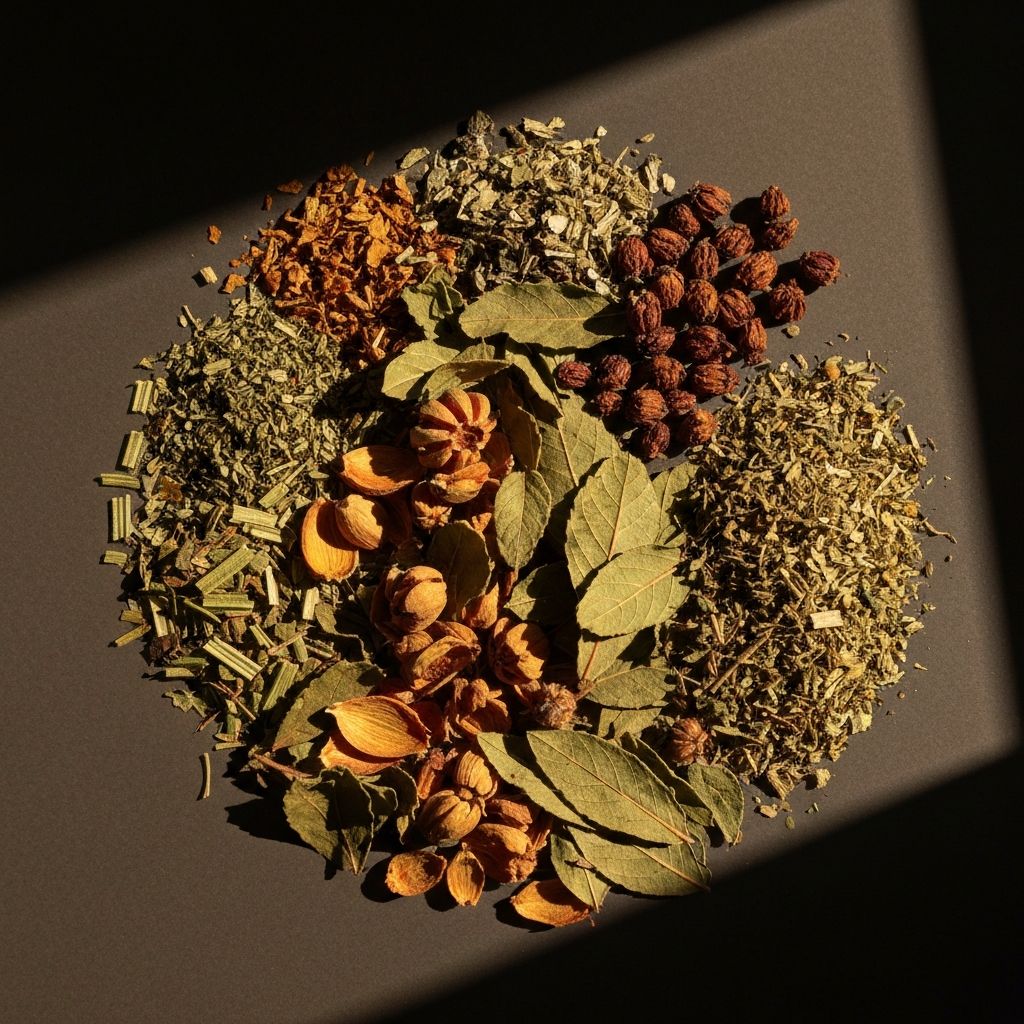
Various cultures have developed traditional herbal combinations used in everyday wellness practices:
Traditional Herbal Practices
Herbal combinations have been part of cultural traditions for centuries, often prepared and consumed as part of daily routines.
| Application | Traditional Use |
|---|---|
| Beverages | Herbal infusions and teas |
| Culinary | Cooking and seasoning |
| Daily Routines | Morning and evening preparations |
| Social | Shared wellness practices |
Important Information
Informational Nature: All content on this site is provided for educational purposes only. We do not provide individual recommendations or personalized guidance.
Diversity of Approaches: Wellness is highly individual. Different approaches work differently for different people.
Not a Substitute: This information should not replace personal decision-making or professional consultation.
Educational content only. No promises of outcomes.